
Describe the property
Send the location, symptoms, equipment and access details. State whether the work is a repair, replacement or planned project.
If dust appears soon after cleaning, or work on your home has left plaster or drywall residue, the duct system may be worth inspecting. Air duct cleaning involves the supply and return runs, not just the visible register openings.
Get A Free QuoteAsk how supply and return branches will be cleaned under suction, and whether recent renovation dust or hard-to-access runs change the scope.
View scopeCompare plans for clearing the full route from dryer connection to exterior hood, including basement risers, bends, and an airflow check at the outlet.
View scopeClarify whether the scope includes blower-wheel access, in-cabinet evaporator coil cleaning, and furnace compartment cleaning; repairs are separate.
View scopeCheck whether removable cores and screens, filters, bathroom exhaust runs, or range ducting are included, and confirm maintenance guidance for the unit.
View scopeConsider treatment only after identifying an odour source and removing debris; request product details, label directions, and the areas included.
View scopeAsk for accessible leaks to be marked, return cavities to be assessed, and crushed or separated duct sections to be evaluated for repair or replacement.
View scopeDefine each air-handling, kitchen exhaust, or rooftop system separately, then confirm access windows, exclusions, and the project records required.
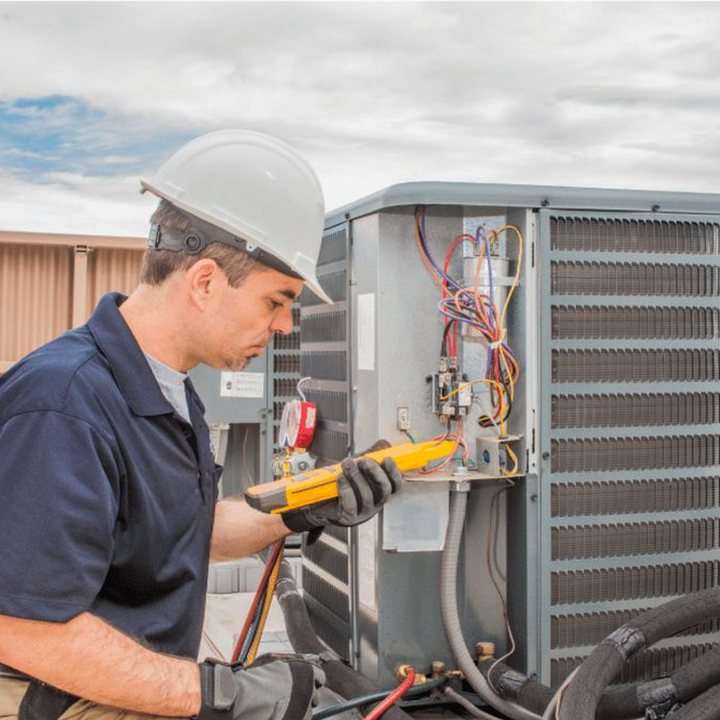
View scopeCommercial ventilation projects vary with the building, occupancy, and equipment. A storefront, office, daycare, gym, or food-service space may have different air-handling units, access restrictions, and documentation needs. Before requesting a scope in Brantford, list the systems involved, operating hours, rooftop access requirements, and any areas that must remain available to staff. Ask what records and photographs will be provided, and have kitchen exhaust or rooftop package equipment identified separately because each may require a distinct assessment.
Ask how supply and return branches will be cleaned under suction, and whether recent renovation dust or hard-to-access runs change the scope. Compare plans for clearing the full route from dryer connection to exterior hood, including basement risers, bends, and an airflow check at the outlet. Clarify whether the scope includes blower-wheel access, in-cabinet evaporator coil cleaning, and furnace compartment cleaning; repairs are separate.
Check whether removable cores and screens, filters, bathroom exhaust runs, or range ducting are included, and confirm maintenance guidance for the unit. Consider treatment only after identifying an odour source and removing debris; request product details, label directions, and the areas included.
Ask for accessible leaks to be marked, return cavities to be assessed, and crushed or separated duct sections to be evaluated for repair or replacement. Define each air-handling, kitchen exhaust, or rooftop system separately, then confirm access windows, exclusions, and the project records required.
Clothes taking longer to dry, a hot laundry area, or lint around the exterior outlet can be reasons to inspect the dryer vent. The route may run from a basement dryer through a wall or up to a roof, and bends or a long concealed section can affect the work. Ask how the full line from the dryer connection to the termination will be checked and cleared. Confirm whether airflow will be measured at the outlet and what happens if access is limited.
Explore this serviceSend the location, symptoms, equipment and access details. State whether the work is a repair, replacement or planned project.
The request is reviewed so the responding provider can clarify the work, property access and service coverage.
Agree the provider identity, qualifications, written scope, pricing and visit window directly. Sending a form does not confirm an appointment.
Ask how the work will isolate and clean individual supply and return branches while a vacuum keeps the system under negative pressure. This helps direct loosened debris into collection equipment rather than the room. Confirm which runs are accessible, and ask how the approach changes if the duct layout has unusual restrictions or materials. Ask whether images can show the same accessible trunk or duct section before and after the work. Comparable views make it easier to understand what was inspected and cleaned, rather than relying on a general claim that the system is clear. Images can also help identify areas that were not reachable and may need separate assessment.
Ask how supply and return branches will be cleaned under suction, and whether recent renovation dust or hard-to-access runs change the scope. Compare plans for clearing the full route from dryer connection to exterior hood, including basement risers, bends, and an airflow check at the outlet. Clarify whether the scope includes blower-wheel access, in-cabinet evaporator coil cleaning, and furnace compartment cleaning; repairs are separate. Check whether removable cores and screens, filters, bathroom exhaust runs, or range ducting are included, and confirm maintenance guidance for the unit.
The listed service area includes Paris, Burford, St. George, Mount Pleasant. Include your postal code and access details in the form so the responding provider can confirm travel and scheduling for your property.
Use the form to describe the property, the symptoms and the work requested. For Paris, Burford, St. George, Mount Pleasant, include your postal code so local coverage can be checked.
If your location is not listed, include its postal code with the requested work. Coverage, travel arrangements and scheduling must be confirmed directly with the provider.